Loading…


Is BWR and BWP plywood the same?
Updated:
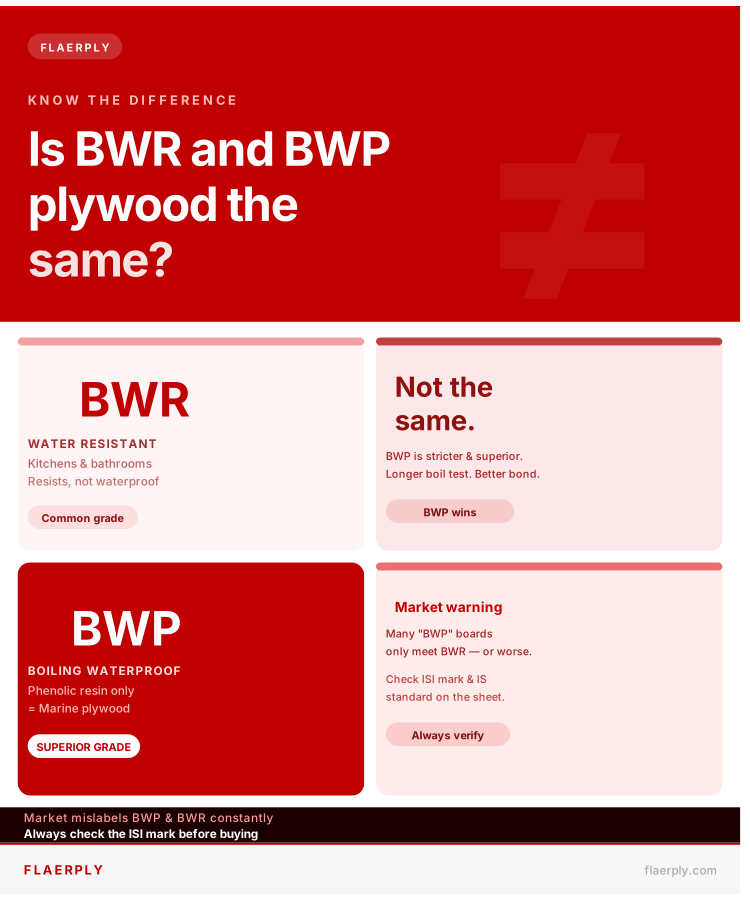
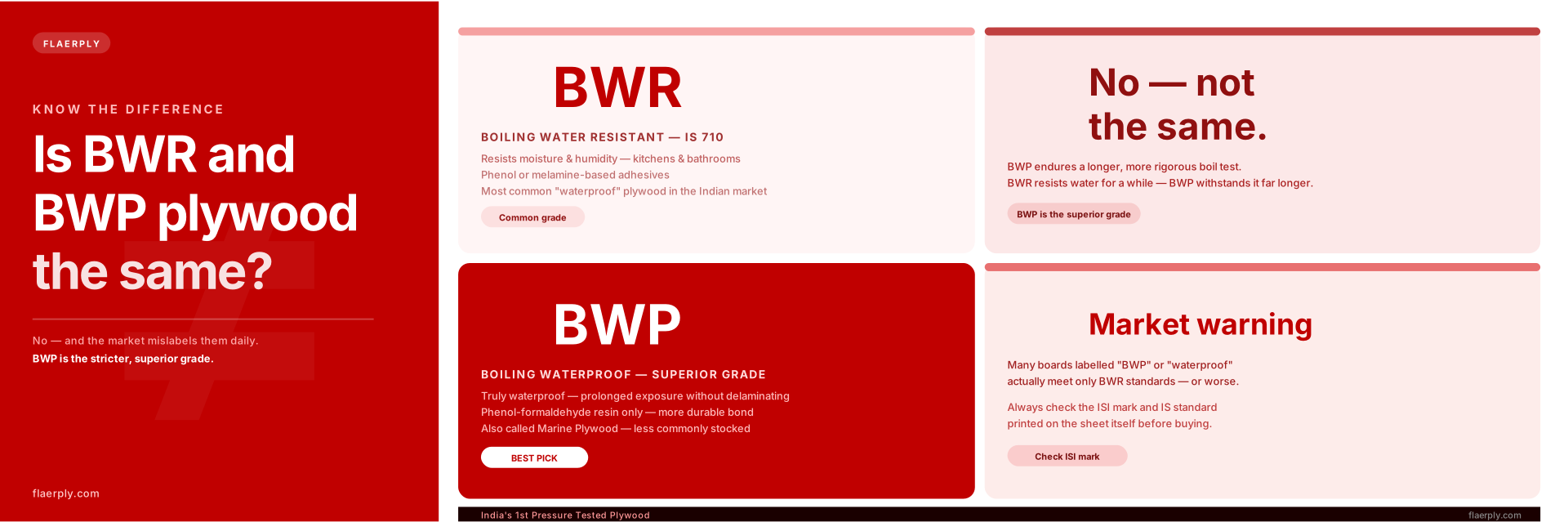
No, they're not the same — though they're often confused or even mislabeled in the market.
BWR (Boiling Water Resistant) — IS 710
Tested by boiling a sample for a set duration and checking if it holds together.
Resistant to moisture and humidity, suitable for kitchens and bathrooms.
Uses phenol or melamine-based adhesives.
The more commonly available "waterproof" plywood in the Indian market.
BWP (Boiling Water Proof) — also under IS 710, but higher standard
Subjected to a much more rigorous boiling water test (longer duration).
Truly waterproof, not just resistant — can withstand prolonged water exposure.
Uses only phenol-formaldehyde (phenolic) resin, which is more durable.
Sometimes called Marine Plywood.
More expensive and less commonly stocked.
Key difference in simple terms:
BWR can resist water for a while; BWP can withstand water for much longer without delaminating. BWP is the stricter, superior grade.
Conclusion
A practical note for India: The market is flooded with plywood labeled as BWP or "waterproof" that actually meets only BWR standards or worse. Brands like Century, Greenply, Kitply, and National are generally more reliable. Always ask for an ISI mark and check the actual IS standard printed on the plywood sheet itself before buying.


